5 Faszinierende Himalaya-Hunderassen: Der ultimative Guide zu Vielfalt & Eigenschaften
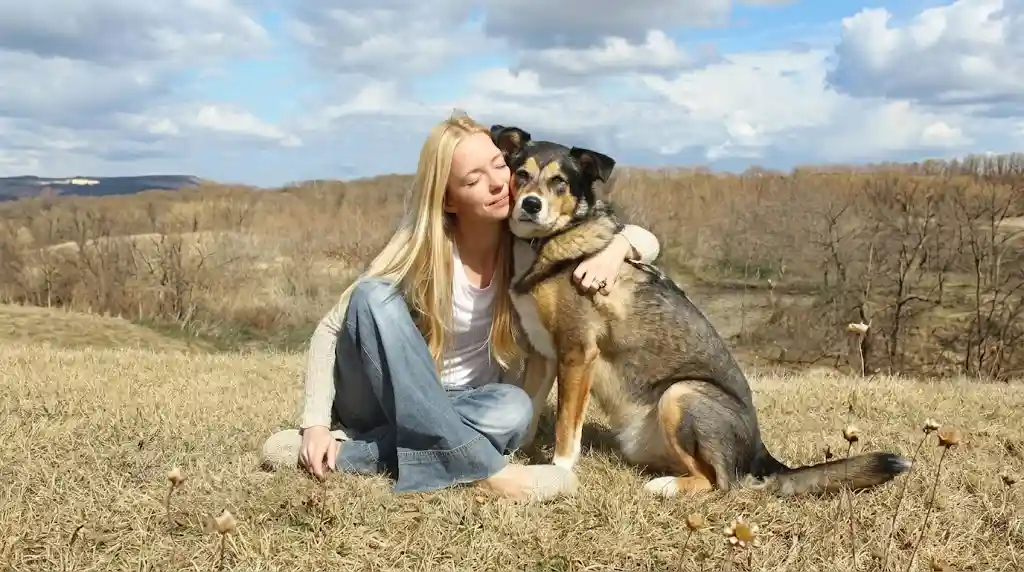
Table of Contents
Himalayan dog breeds fascinate with their robustness and unique heritage, deeply rooted in the rugged mountain landscapes. Yet the world of dogs is infinitely diverse and extends far beyond these imposing mountain giants. From exotic breeds in Far Eastern metropolises like Hong Kong to the countless globally recognized species, every dog breed has its own story, its specific needs, and its unmistakable character. This comprehensive article illuminates various aspects of the world of dog breeds , from regional specialties and grooming requirements to costs, behavioral traits, and health aspects, to create a deeper understanding of our four-legged companions. Every Himalayan dog breed has a unique story to tell.
The Majestic Himalayan Dog Breeds and Their Presence in Himachal Pradesh
The Himalayan region is home to some of the most impressive dog breeds in the world, known for their resilience, strength, and often their imposing protective instincts. These dog breeds have adapted over centuries to the extreme climate and demanding conditions of the high mountains. Among the most well-known Himalayan dog breeds are the Tibetan Mastiff, the Gaddi Kutta (also known as the Indian Mastiff), and the Bhotia dog.
In Himachal Pradesh, a picturesque state in the western Himalayas of India, these dog breeds play a central role in the lives of mountain dwellers. The Gaddi Kutta, an imposing livestock guardian dog, is particularly widespread in this region. This Himalayan dog breed is traditionally used by shepherds to protect their flocks from predators such as leopards and bears. These dogs are not only large and powerful but also extremely intelligent and loyal to their family and herd. Their dense coat protects them excellently from the cold, and their strong constitution enables them to cover long distances in difficult terrain. According to the American Kennel Club, the Tibetan Mastiff is one of the most ancient Himalayan dog breeds .
Other dog breeds found in Himachal Pradesh, although not all exclusively of Himalayan origin, include local pariah dogs that have adapted to village life, and occasionally more well-known dog breeds kept by residents. The role of dogs in this region is often functional, whether as a watch dog, livestock guardian dog, or loyal companion that adapts to the harsh living conditions. The Gaddi Kutta is a prime example of a Himalayan dog breed that has been shaped by its environment.
High-Maintenance Dog Breeds: When Beauty Requires Work
While some dog breeds are relatively low-maintenance, there are others that require considerable time and effort from their owners. This high maintenance can extend to various areas: coat care, exercise needs, training intensity, and health susceptibilities. High-maintenance dog breeds include, for example:
- Afghan Hound: Known for its long, silky coat that requires daily brushing to prevent matting.
- Poodle (all sizes): Their curly coat grows continuously and must be regularly cut or shaved to prevent matting.
- Old English Sheepdog: The thick, double coat requires intensive brushing and professional grooming to stay clean and healthy.
- Bernese Mountain Dog: Although their coat is not quite as demanding as that of an Afghan Hound, they shed heavily and require regular grooming, especially during shedding season.
- Siberian Husky: In addition to their double coat, which requires regular brushing, Huskies have an extremely high energy level and need a great deal of exercise and mental stimulation.
High maintenance means not only time but often also costs for professional groomers, special brushes, and shampoos. Additionally, many of these dog breeds require a lot of training and mental stimulation due to their intelligence or energy level, in order to be happy and well-balanced. Owners who choose one of these dog breeds must be aware of the enormous commitment involved. For more help finding professional services, our guide on pet groomers near me can help you find the right support.
The Dog World Himalaya-Hunderassen in Hong Kong: Urban Life for Four-Legged Friends
Hong Kong is a densely populated metropolis, and living with dogs in this urban environment brings unique challenges and specialties. Despite the limited space, dogs are popular pets, and the dog population is considerable. The most popular dog breeds in Hong Kong often include smaller dog breeds that can be kept well in apartments, but larger dogs can also be found with the appropriate commitment from their owners.
Typical dog breeds in Hong Kong include:
- Poodle: Their small size and low shedding make them ideal for apartments.
- Chihuahua: Also small and adaptable to city life.
- French Bulldog: Valued for their calm temperament and manageable size.
- Shiba Inu: This medium-sized dog breed is very popular in Asia generally and is also frequently kept in Hong Kong.
- Labrador Retriever and Golden Retriever: Although larger, these dog breeds are still very popular due to their friendly nature and adaptability, but they require more exercise.
Conditions for dogs in Hong Kong are characterized by strict regulations and the need to use limited public space efficiently. Dog parks are important but not always easily accessible. The costs of pet ownership, including veterinary bills and food, can also be quite high in Hong Kong. Local culture and urban density significantly influence which dog breeds thrive best and how living with pets is structured. Identifying dog breeds from a picture can be particularly useful for residents in Hong Kong to learn about local regulations and specific breed characteristics. For foundational training advice that can help build trust, you might find our guide on easy commands every puppy should learn very useful.
Cost of a Dog Breed: Acquisition, Care, and the Lifelong Commitment
Deciding on a dog is a long-term commitment that has far-reaching consequences not only emotionally but also financially. The costs of a dog breed are made up of various items and can vary considerably depending on the breed, age, origin, and individual needs. It is crucial to be aware of these expenses before adopting a dog.
Acquisition Costs
The one-time acquisition costs for a puppy from a reputable breeder can vary greatly. For popular dog breeds or those with a prestigious pedigree, prices can range between $800 and $3,000 or even more. These costs usually cover the rearing of the puppy, veterinary examinations, vaccinations, deworming, and papers. When adopting from a shelter, the costs are usually significantly lower and cover an adoption fee of about $200 to $500, which often includes vaccinations, microchip, and spaying/neutering.
Ongoing Costs
Ongoing costs include a range of items that add up over the entire lifespan of the dog:
| Cost Item | Description | Average Monthly Cost (Estimate) |
|---|---|---|
| Food | High-quality dry and wet food, treats | $30 – $100 (depending on size and needs) |
| Veterinary (Preventive) | Regular check-ups, vaccinations, deworming, parasite control | $10 – $30 (annualized) |
| Veterinary (Unforeseen) | Illnesses, injuries, operations (a reserve or insurance is recommended) | Variable (dog breeds with IBD or other chronic diseases can cause significantly higher costs) |
| Dog Tax | Annual municipal fee | $5 – $15 (depending on municipality and number of dogs) |
| Dog Insurance | Liability insurance (often mandatory), health insurance (optional) | $10 – $50 (depending on coverage) |
| Accessories | Leashes, collars, beds, toys, bowls | $5 – $20 (initial costs higher, then replacements) |
| Grooming | Brushes, shampoo, professional groomer if needed | $5 – $50 (especially for dog breeds with high grooming needs) |
| Dog School/Training | Courses, individual training (especially for young or hyperactive dog breeds ) | $0 – $50 (varies greatly by need) |
A dog can easily cost $10,000 to $20,000 or more over its lifespan, which averages 10 to 13 years for many dog breeds . Dog breeds that are prone to certain diseases (e.g., IBD) can result in higher veterinary bills. A realistic assessment of these costs is essential for responsible dog ownership. For more information on skin conditions, our article on dog allergy understanding and managing provides comprehensive information.
Dog Breeds for Relaxed Owners: Serenity on Four Paws
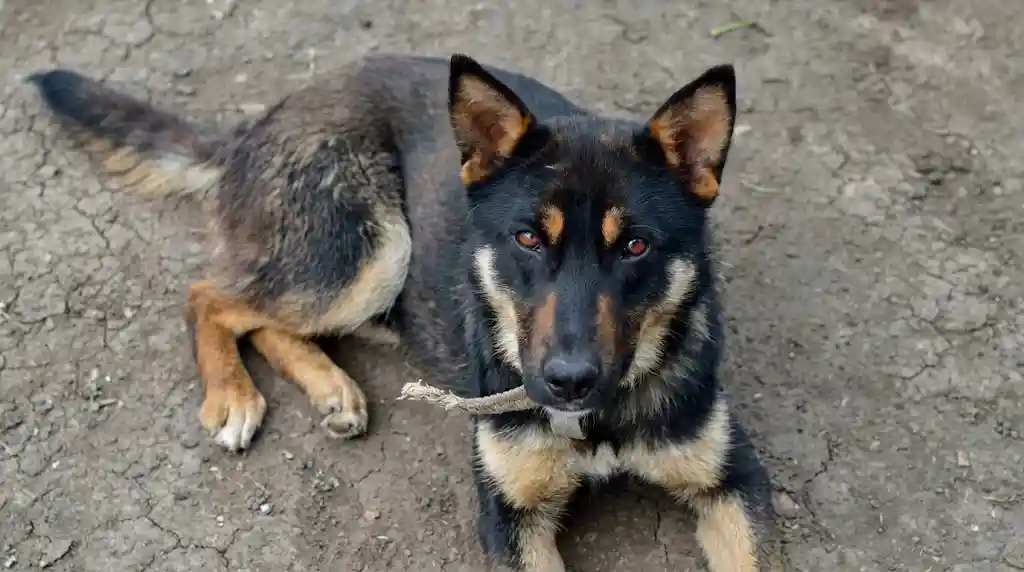
Not every owner is looking for a highly active or demanding dog. For relaxed owners who want a calm companion that adapts well to a less hectic life, there are numerous wonderful dog breeds . These dogs are often not hyperactive, have moderate exercise needs, and are generally lower maintenance, both physically and mentally. Here are some dog breeds that are well-suited for relaxed owners:
- Pug: The Pug is known for its friendly, easygoing nature. It needs only moderate exercise and is a wonderful companion for apartment living.
- English Bulldog: Similar to the Pug, the English Bulldog is a rather calm dog that values comfort and does not have excessive exercise needs.
- Cavalier King Charles Spaniel: These small dogs are extremely affectionate, adaptable, and have a gentle temperament. They love spending time with their family.
- Greyhound (Retired Racers): Although known for their speed, many retired racing Greyhounds are surprisingly calm indoors and love to lounge. They need short, intense walks but are otherwise very relaxed.
- French Bulldog: Another small dog known for its relaxed and charming nature. They are good apartment dogs and get by with moderate exercise.
- Basset Hound: With their long ears and melancholy expression, Basset Hounds are very relaxed and easygoing dogs that adapt well to family life.
It is important to note that even relaxed dog breeds still need basic training, socialization, and daily walks to stay healthy and happy. However, the choice of the right dog breed depends heavily on the owner’s lifestyle and expectations. For related tips on managing behavior, you might also want to read our piece on how to stop excessive dog barking .
How Many Dog Breeds Are There? Diversity, Recognition, and Life Expectancy
The question „How many dog breeds are there in the world?“ is complex, as the exact number depends on the recognizing organization. The Fédération Cynologique Internationale (FCI), the largest cynological world association, currently recognizes over 350 different dog breeds , divided into 10 groups. In addition, there are many other national breeding associations and local variants that are not internationally recognized but still exist as independent dog breeds or strains. It is estimated that there are well over 400 to 500 different dog breeds in total, if non-FCI-recognized dog breeds are included.
How Do You Identify a Dog Breed?
Identifying a dog breed can be done through various characteristics:
- Physical Characteristics: Size, weight, coat color and texture, head shape, ear shape, tail carriage, and body structure are crucial indicators.
- Behavior: Breed-typical behaviors, temperament, and working instincts can also provide clues.
- Breed Standards: Official descriptions of a dog breed established by cynological associations help with precise identification.
- DNA Tests: For mixed breeds, DNA tests offer a scientific method to determine the genetic composition and thus the dog breeds involved.
- Expert Knowledge and Image Recognition: Veterinarians, breeders, and experienced dog lovers can often identify dog breeds at first glance. There are now also apps and online tools for dog breed identification from a picture, which are based on artificial intelligence and can deliver relatively good results.
How Many Days Do Dog Breeds Live?
The life expectancy of dog breeds varies considerably. On average, dogs live between 10 and 13 years. Smaller dog breeds tend to live longer than larger dog breeds . For example, Chihuahuas often reach an age of 15 years or more, while Great Danes or Bernese Mountain Dogs typically live 7 to 10 years. Factors that influence life expectancy include:
- Breed and Genetics: Breed-specific diseases or genetic predispositions play a major role.
- Size: Smaller dogs tend to live longer.
- Nutrition and Care: A balanced diet, regular exercise, and good veterinary care contribute significantly to a longer and healthier life.
- Spaying/Neutering: Can reduce the risk of certain diseases and extend lifespan.
- Lifestyle: Dogs that follow a healthy and active lifestyle often live longer.
Special Characteristics: Hyperactive Breeds, IBD Susceptibility, and Blue Eyes
Hyperactive Dog Breeds
Some dog breeds are known for their high energy levels and tendency toward hyperactivity, especially when not adequately exercised. These dogs need lots of exercise, mental stimulation, and training to be balanced and happy. These include:
- Border Collie: Extremely intelligent and work-oriented, they need a job to do.
- Jack Russell Terrier: Small but full of energy and very agile.
- Siberian Husky: Enduring running dogs with a strong urge to move.
- Australian Shepherd: Also very intelligent and needs lots of activity.
- Labrador Retriever: Especially in young age, very energetic and playful.
For owners who are not prepared to meet this high energy demand, hyperactive dog breeds can become a challenge.
Dog Breeds with IBD (Inflammatory Bowel Disease)
IBD, or chronic inflammatory bowel disease, is a condition that causes digestive problems in dogs and is characterized by chronic inflammation of the gastrointestinal tract. Although any dog breed can be affected, there are dog breeds that are more susceptible to IBD. These include:
- Basenji: Particularly known for a genetic predisposition.
- French Bulldog: Frequently affected by digestive problems.
- German Shepherd: Prone to various gastrointestinal problems.
- Soft Coated Wheaten Terrier: Also a dog breed where IBD is more frequently diagnosed.
- Boxer: Are susceptible to a special form of IBD, histiocytic ulcerative colitis.
Owners of these dog breeds should pay particular attention to digestive disorders and consult a veterinarian if symptoms such as vomiting, diarrhea, or weight loss persist. If your dog is excessively itchy, check out our article on why is my dog itching so much for more insights. You can also learn more about dog skin infection a comprehensive guide for deeper understanding of skin health.
Dog Breeds with Ice Blue Eyes
Ice blue eyes are a fascinating feature that is particularly pronounced in some dog breeds and gives them a striking appearance. This trait is often due to specific genes that influence pigmentation. Dog breeds with ice blue or icy blue eyes include:
- Siberian Husky: Probably the most well-known dog breed with strikingly blue eyes, often in combination with a multi-colored coat.
- Australian Shepherd: Blue eyes are not uncommon in this dog breed , often also heterochromic (one blue and one differently colored eye).
- Border Collie: Blue eyes can also occur here, sometimes in combination with merle coat markings.
- Catahoula Leopard Dog: Another dog breed known for its striking, often blue or speckled eyes.
- Weimaraner: Puppies often have blue eyes, but these change to amber or gray tones with age.
This eye color is a purely aesthetic trait and generally has no influence on the dog’s vision.
Specific Categories: Breeds with Special Endings, in Iceland, and Legal Restrictions
Dog Breeds Ending in „ian“ or „ie“
The request for dog breeds ending in „ian“ or „ie“ is more of a linguistic curiosity than a cynological categorization. Nevertheless, some examples can be found:
Dog Breeds Ending in „ian“:
- Belgian Shepherd (Malinois, Tervueren, Groenendael, Laekenois): Although the name is „Belgian Shepherd Dog,“ they are often colloquially called „Belgian“ or by the respective variety, which also contains „Belgian“ in their full English name.
- Bulgarian Shepherd Dog: A lesser-known but existing dog breed .
- Caucasian Shepherd Dog (Caucasian Ovcharka): An imposing dog breed from the Caucasus.
Dog Breeds Ending in „ie“:
- Yorkie (Yorkshire Terrier): An affectionate short form.
- Scottie (Scottish Terrier): Also a common short form.
- Westie (West Highland White Terrier): A popular small terrier dog breed .
- Border Collie: Although the entire name does not end in „ie,“ „Collie“ is often pronounced as „Collie.“
This categorization is not standardized and is rather coincidental, but offers an interesting look at the naming of dog breeds .
Dog Breeds in Iceland
Iceland has a unique dog breed closely linked to the country’s history and culture: the Icelandic Sheepdog. This medium-sized, spitz-like dog breed was brought to Iceland by the Vikings and has adapted over centuries to the harsh climate and working requirements of island life. It is known for its friendly, lively nature, its intelligence, and its ability to herd sheep. The Icelandic Sheepdog is a national symbol and is actively bred to preserve the dog breed .
In addition to the Icelandic Sheepdog, there are of course other dog breeds kept by residents in Iceland, but the Icelandic Sheepdog is the only autochthonous dog breed closely linked to the country. According to Wikipedia, the Icelandic Sheepdog is an official breed of Iceland.
Dog Breeds Illegal in New Zealand
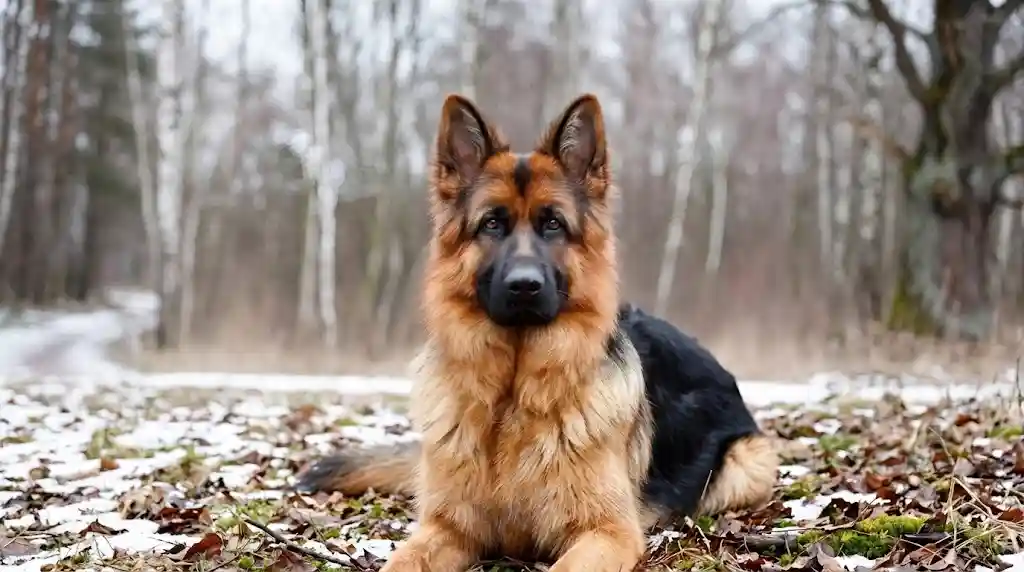
New Zealand, like many other countries, has laws to control and ban certain dog breeds classified as dangerous. These laws are intended to ensure public safety. In New Zealand, certain dog breeds are listed as „menacing dogs“ or „banned dogs.“ The dog breeds that are banned in New Zealand (without further local adjustments) typically include:
- Pitbull types (American Pit Bull Terrier): This dog breed is banned or heavily regulated in many countries, including New Zealand.
- Brazilian Fila (Fila Brasileiro): Also on the list of banned dog breeds .
- Dogo Argentino: This dog breed is also banned in New Zealand.
- Japanese Tosa (Tosa Inu): Another dog breed that may not be legally kept in New Zealand.
Owners of dogs of these dog breeds that were legally owned before the bans came into effect are often subject to strict conditions such as muzzle requirements, leash requirements in public, and sterilization requirements. The legislation aims to reduce the number of these dog breeds over time and minimize the risk of dog attacks. Further information on the regulations can be found on the official government pages of New Zealand, for example via the Department of Internal Affairs or the local councils. To ensure you’re using the best products, see our recommendations for the best dog shampoo for itchy skin .
Conclusion
The world of dog breeds is a fascinating mosaic of diversity, history, and specific needs. From the robust Himalayan dog breeds that protect flocks in Himachal Pradesh, to the urban companions in Hong Kong, the spectrum of our four-legged friends is vast. Every dog, whether high or low maintenance, whether hyperactive or relaxed, whether with ice blue eyes or a genetic susceptibility to IBD, represents a unique personality and demands a deep understanding and commitment from its owners. The acquisition costs are only the beginning of a lifelong financial and emotional commitment, which is repaid in infinite joy and unconditional love. Knowledge of the diversity, characteristics, and needs of the various dog breeds helps us make responsible decisions and shape a harmonious coexistence with our loyal companions. There are over 350 recognized dog breeds worldwide, each with its own peculiarities and charm, waiting to be discovered and loved. If you’re just starting out, our dog grooming checklist for first-time owners is a great resource to ensure you have everything you need. You may also find our comprehensive dog grooming tips a comprehensive guide helpful for additional information. You can also explore dog grooming near me finding the perfect for more options.