Deutscher Dogge: 9 Erstaunliche Fakten, Temperament und wertvolle Pflegetipps
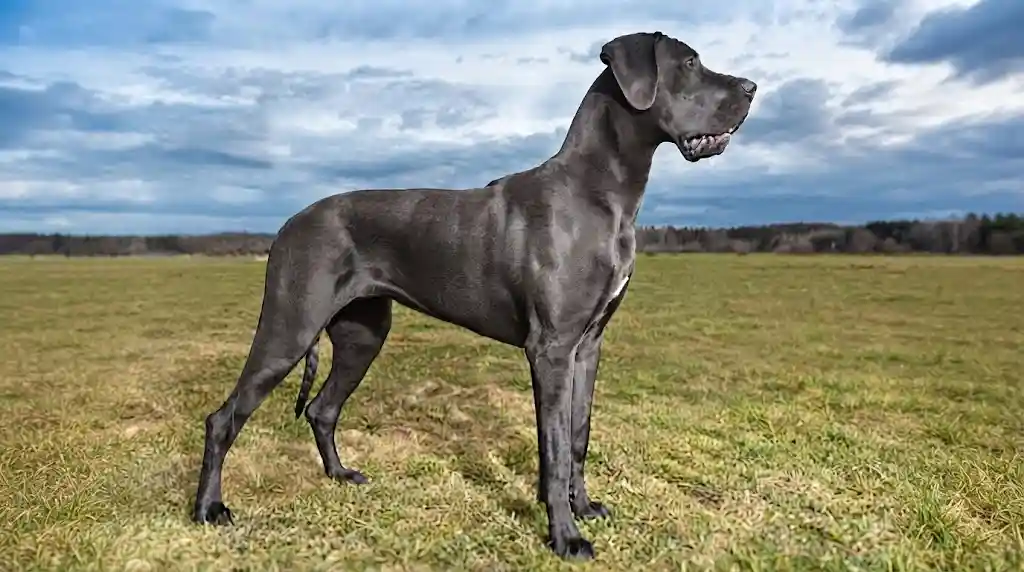
Table of Contents
Deutscher Dogge have fascinated us for thousands of years with their diversity in characters, sizes, and appearances. From watchful protectors to playful family dogs and independent personalities, there seems to be the right four-legged companion for every lifestyle. This comprehensive guide sheds light on five particularly popular and characteristic breeds: the lovable Cocker Spaniel, the majestic Deutscher Dogge (Great Dane), the humorous Pug, the independent Shiba Inu, and the affectionate Cavalier King Charles Spaniel. We dive into their history, highlight their unique traits, and provide important information on care, ownership, and health to give potential dog owners a well-founded decision-making aid. The Deutscher Dogge , often called the „Apollo of dog breeds,“ is a truly majestic animal.
Introduction to the World of Dog Breeds
Choosing the right dog is a decision of great consequence that shapes life for many years. Every dog breed brings specific needs and characteristics that must be understood before a new furry friend is welcomed into the family. Considering breeds like the Cocker Spaniel, the Deutscher Dogge , the Pug, the Shiba Inu, and the Cavalier King Charles Spaniel illustrates the enormous range that the dog world has to offer. From the energy of a hunting dog to the calmness of a lapdog, knowing the breed-specific traits is the key to a harmonious coexistence. The Deutscher Dogge is a prime example of a gentle giant.
The Cheerful Companion: Cocker Spaniel
The Cocker Spaniel, particularly the English Cocker Spaniel, is known for its exuberant temperament and insatiable joy of life. This medium-sized breed, originally bred for hunting woodcock, has developed into an extremely popular family dog.
History and Origin
The origins of the Cocker Spaniel lie in 19th century Great Britain, where it was specifically used for flushing game in dense undergrowth. Its task was to startle and retrieve game. The separation into different Spaniel breeds occurred over time, with the Cocker Spaniel being defined by its size and hunting abilities.
Character and Nature
Cocker Spaniels are generally cheerful, affectionate, and intelligent dogs that build a close bond with their family. They are known for their constantly wagging tail and their pronounced body language, which reflects their good mood. With their enthusiastic nature, they are excellent family dogs, love children, and often get along well with other pets. Their adaptability makes them versatile companions who can cuddle on the sofa and shine in athletic activities. They are eager to learn and easy to train but require consistent and patient guidance, as they can also develop a certain stubbornness.
Appearance and Care
The Cocker Spaniel is a compact, strongly built dog with a shoulder height of about 38 to 41 cm and a weight of 12 to 15 kg. Its coat is long, silky, and smooth, with a slight wave, and comes in various colors, including solid (black, red, golden, brown) or multi-colored (parti-colors). Coat care is relatively time-consuming and requires regular brushing to avoid matting and keep the coat beautiful. The long drop ears especially need attention and should be checked weekly for cleanliness and possible infections. For more help finding professional services, our guide on pet groomers near me can help you find the right support.
Health and Typical Diseases
Although Cocker Spaniels are generally a robust breed and can have a life expectancy of 12 to 15 years, they are prone to some breed-specific diseases. These include eye problems such as cataracts, glaucoma, and progressive retinal atrophy (PRA), as well as skin problems. Due to their anatomically determined drop ears, they are susceptible to recurrent ear infections. Hip dysplasia (HD) can also occur in this breed, although it mainly affects larger dogs. Some animals can also be affected by congenital vestibular syndrome, an inherited disease of the inner ear that can cause balance disorders. A responsible breeder pays attention to the health care of the parent animals to minimize the risk of these diseases. To ensure you’re using the best products, see our recommendations for the best dog shampoo for itchy skin .
The Gentle Giant: Deutscher Dogge (Great Dane)
The Deutscher Dogge , often referred to as the „Apollo among dog breeds,“ is a majestic appearance and is one of the largest dogs in the world. Despite its imposing size, it is known for its gentle, friendly, and people-oriented nature. The Deutscher Dogge is a true gentle giant.
History and Origin
The Deutscher Dogge originates, as the name suggests, from Germany. Its history goes back to the 16th century, where it was bred as a hunting, protection, and guard dog for princes and nobles, especially for hunting wild boar and bears. In the 19th century, the breed standard was established, and the name “ Deutscher Dogge “ became established.
Character and Nature
Deutscher Dogge s are „gentle giants.“ They are extremely affectionate, cuddly, and build a very close bond with their family. They are considered patient family dogs that also get along well with children and love to romp and cuddle with them. They can be initially reserved but rarely hostile towards strangers. Despite their high exercise drive, they are usually calm and balanced in the home and take their place close to their people. Their training should be calm, consistent, and positive, as they are very intelligent and quickly understand new tasks. Due to their size, good socialization and training are particularly important. The Deutscher Dogge is a wonderful family companion for those with space and time.
Appearance and Care
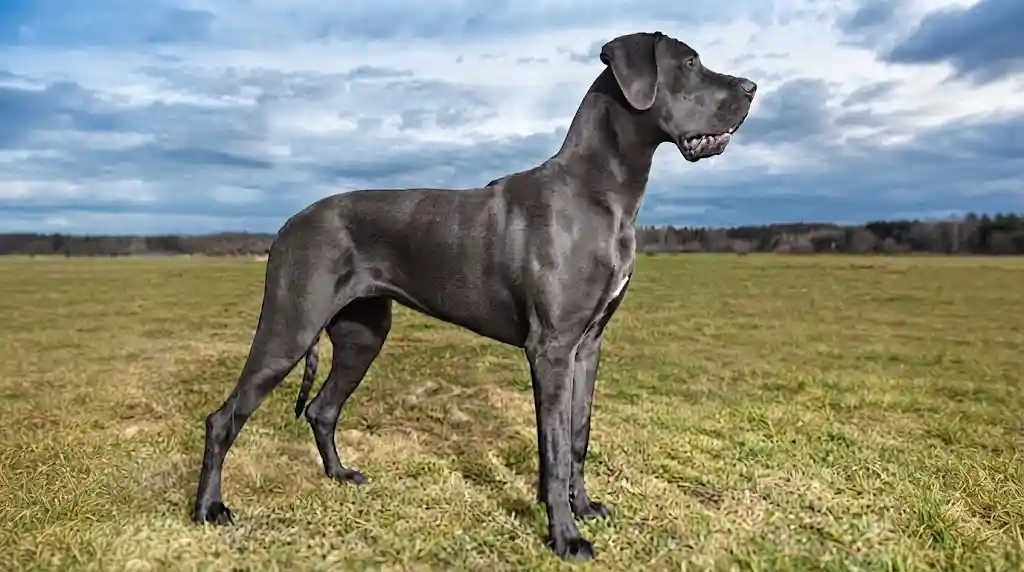
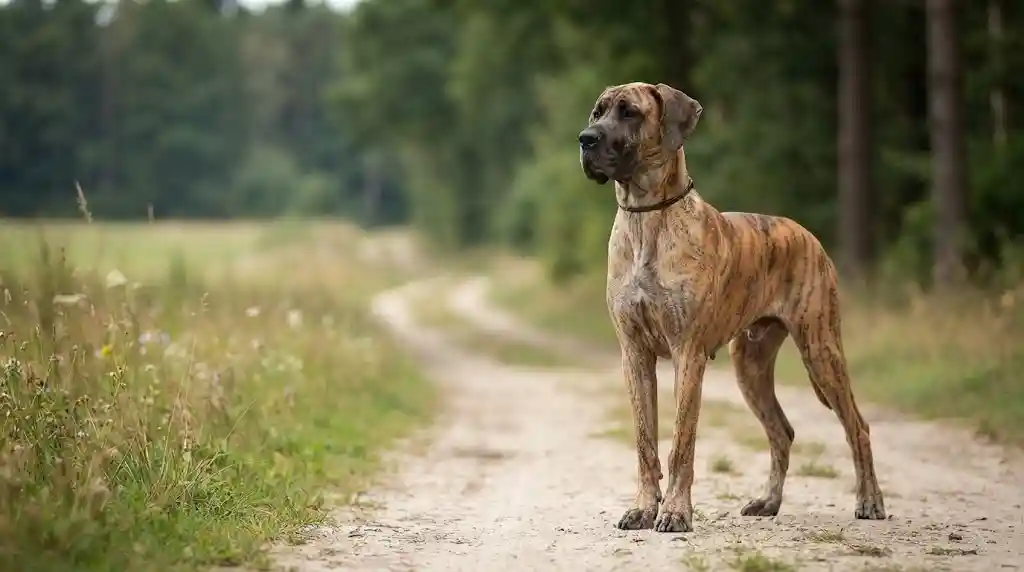
With a withers height of at least 80 cm for males and 72 cm for females, and a weight of 45 to over 90 kg, Deutscher Dogge s are among the giant breeds. Their build is powerful, elegant, and harmoniously proportioned, with a short, smooth coat that comes in colors such as fawn, brindle, black, blue, and harlequin (black and white). Coat care is uncomplicated; regular brushing removes loose hair, especially during shedding. Regular checking of teeth, ears, and nails is also important. For a more detailed approach to overall care, you can read our complete guide on dog dental care at home .
Health and Typical Diseases
Due to their size and rapid growth, Deutscher Dogge s are prone to some specific health problems. The life expectancy is on average 8 to 10 years. The most important health issues include life-threatening gastric torsion, cardiovascular diseases, particularly dilated cardiomyopathy (DCM), and joint diseases such as hip dysplasia (HD) and elbow diseases. Wobbler syndrome (a disease of the cervical spine) and bone cancer can also occur. Controlled breeding, a healthy body weight, and regular veterinary preventive examinations are crucial for their health. The Deutscher Dogge Club has included DCM testing for breeding animals in its mandatory program to improve the health of the breed. The Deutscher Dogge requires diligent health monitoring.
The Charming Stubborn One: Pug
The Pug is a small dog with a big personality. It is known for its charming, humorous, and often stubborn nature, which makes it a lovable companion.
History and Origin
The Pug is a very old breed whose origins go back over 2000 years to ancient China. There it was bred as a companion dog for the Chinese emperors and enjoyed a luxurious life, sometimes even guarded by soldiers. In the 16th century, the Pug reached Europe through Dutch traders and quickly became very popular at royal courts, especially in the House of Orange-Nassau. A legend says that a Pug saved Prince William of Orange by barking to warn of a Spanish attack and thus became the mascot of the royal house.
Character and Nature
Pugs are cheerful, playful, and particularly people-oriented dogs. They crave affection and dislike being alone. Despite their desire to spend most of their time cuddling on the sofa, they are also playful, robust, and lively. Their humor and curiosity make them entertaining companions. Pugs are intelligent and can be trained well, especially when treats are used as motivation. Early socialization and puppy training classes are recommended. They are usually good with children and get along well with other pets. For more foundational training advice that can help build trust, you might find our guide on easy commands every puppy should learn very useful.
Appearance and Care
The Pug is a small, compact dog weighing about 6.5 to 8 kg and standing 25 to 35 cm tall. Its most striking feature is its flat face with the characteristic wrinkles and large eyes. The short, glossy coat is easy to care for and comes in colors such as fawn (with a black mask), black, or dark brown. While brushing once a week is sufficient, the facial wrinkles need daily cleaning to prevent infections. Eyes and ears should also be checked regularly. Pugs do shed heavily, however. You may also find our comprehensive dog grooming tips a comprehensive guide helpful for additional information.
Health and Typical Diseases
The flat nose of the Pug is a result of breeding and often leads to breathing problems, known as brachycephalic syndrome. This makes them heat-sensitive and prone to heatstroke, so exertion at high temperatures should be avoided. Many Pugs require surgery to improve their breathing. Other breed-typical health problems include eye injuries (due to protruding eyes), skin problems in the folds, a tendency to overweight, and joint diseases such as patellar luxation and hip dysplasia (HD). Spinal problems like hemivertebrae can also occur. Responsible breeding that pays attention to functional anatomy and regular veterinary check-ups are of the utmost importance in this breed. If your dog is excessively itchy, check out our article on why is my dog itching so much for more insights. For more information on skin conditions, our article on dog allergy understanding and managing provides comprehensive information.
To ensure the health and well-being of dogs, it is crucial to inform yourself about the specific needs and potential health challenges of the respective breed before acquiring one. The following table provides a quick overview of some important characteristics of the discussed dog breeds.
| Dog Breed | Origin | Average Size (Shoulder Height) | Average Weight | Typical Temperament | Grooming Intensity |
|---|---|---|---|---|---|
| Cocker Spaniel | Great Britain | 38-41 cm | 12-15 kg | Cheerful, affectionate, active | High (regular brushing, ear care) |
| Deutscher Dogge | Germany | Males from 80 cm, Females from 72 cm | Males 54-90 kg, Females 45-59 kg | Gentle, affectionate, calm | Low (short coat, regular brushing) |
| Pug | China | 25-35 cm | 6.5-8 kg | Charming, humorous, stubborn, people-oriented | Medium (facial folds, brushing) |
| Shiba Inu | Japan | Males ca. 39.5 cm, Females ca. 36 cm | 6-11 kg (max. 13 kg) | Independent, clever, alert, loyal | Medium (regular brushing, heavy shedding) |
| Cavalier King Charles Spaniel | Great Britain | 30-33 cm | 5-8 kg | Friendly, loving, affectionate, good with children | Medium to High (long coat, regular brushing) |
The Independent Fox from Japan: Shiba Inu
The Shiba Inu is an ancient Japanese dog breed, known for its fox-like appearance, upright ears, and curled tail. It is a personality in its own right: intelligent, independent, and often with a strong will.
History and Origin
The Shiba Inu is the smallest of the six Japanese dog breeds recognized by the FCI. Translated, „Shiba Inu“ simply means „small dog.“ Originally, it was used in the mountainous regions of Japan as a hunting dog for small game and birds. Its history goes back centuries, and it is closely connected to Japanese culture.
Character and Nature
Shiba Inus are independent and self-confident dogs that have a mind of their own. They are intelligent and learn quickly but also like to decide for themselves whether they want to perform a task. Strong territorial behavior, hunting passion, and a certain mistrust of strangers (human and dog) can be part of their character. They bond closely with their caregivers but are not pure „lapdogs“ and require respectful leadership and clear rules. Their energy is lively but not hectic, and they need mental and physical occupation. Although they can be good with children, they value respectful interactions and are not the most patient dogs with rough movements. You can also learn more about dog skin infection a comprehensive guide for deeper understanding of skin health.
Appearance and Care
Shiba Inus reach a shoulder height of about 36 cm (females) to 39.5 cm (males) and a weight of up to 13 kg. They have a dense, double-layered coat with soft undercoat, which optimally adapts them to cold. The coat colors range from red to black and tan to sesame (a mix of red and black hairs), often with „urajiro“ (whitish markings on the muzzle, throat, chest, belly, and legs). The coat is relatively easy to care for and rarely mats, but during the heavy shedding periods (spring and autumn), daily brushing is needed to remove loose undercoat. Shiba Inus are considered very clean dogs.
Health and Typical Diseases
The Shiba Inu is generally considered a healthy breed with a life expectancy of 12 to 15 years, often even longer. Nevertheless, some breed-typical diseases are known. These include allergies (especially atopy, an environmental allergy), eye diseases such as cataracts and glaucoma, and joint problems such as patellar luxation and hip dysplasia (HD). Hypothyroidism can also occur in Shiba Inus. Responsible breeding with appropriate examinations and regular veterinary check-ups are important to promote the health of this breed.
The Loving Cavalier: Cavalier King Charles Spaniel
The Cavalier King Charles Spaniel is a small, elegant, and extremely friendly dog that owes its name to the English royal family. It is the epitome of a social and companion dog.
History and Origin
The history of the Cavalier King Charles Spaniel is closely linked to the English royal house, especially with King Charles I and Charles II in the 17th century, who were great lovers of these dogs. Historical paintings show dogs that look very similar to today’s Cavalier. Over time, through crosses with other breeds such as the Pug or Japanese Chin, dogs with shorter noses became popular. The breeding of the „Cavalier“ with a longer nose, which has a positive effect on health, only occurred in the 20th century to restore the original type.
Character and Nature
The Cavalier King Charles Spaniel is known for its loving, friendly, and affectionate nature. It is a true „cavalier“ and meets people and other animals with openness and gentleness. It is especially good with children and maintains a careful demeanor with them. Cavaliers are often balanced, calm in the home, and not known as barkers, making them ideal city dogs. They possess a strong „will to please“ and are therefore very easy to train, making them suitable for beginners in dog ownership. Their pronounced people-orientation means, however, that they do not like to be alone for long and can be prone to separation anxiety. They love joint walks but are also happy to cuddle on their owners‘ laps. For related tips on managing behavior, you might also want to read our piece on how to stop excessive dog barking .
Appearance and Care
With a withers height of 30 to 33 cm and a weight of 5 to 8 kg, the Cavalier King Charles Spaniel is a small, compact dog. Its coat is long, silky, and smooth, with a slight wave but no curls. There are four recognized color varieties: Blenheim (white with chestnut red markings), Tricolor (black and white with tan markings), Black and Tan (black with tan markings), and Ruby (solid deep red). Care of the long coat is moderate to high; daily brushing is necessary to prevent matting and keep the coat beautiful. The large, round eyes and the long, high-set ears should also be cleaned regularly and checked for signs of inflammation.
Health and Typical Diseases
Unfortunately, despite its charming nature, the Cavalier King Charles Spaniel is known for various breed-specific and often serious hereditary diseases, which brings it into the discussion as a potential „torture breeding“ candidate. The average life expectancy is 10 to 14 years. The most common and critical diseases include:
- Mitral Valve Disease (MVD): A degenerative heart disease that affects the mitral valve and is the most common cause of death in Cavaliers. More than half of dogs over five years and almost all Cavaliers over ten years are affected. Symptoms include exercise intolerance, rapid breathing, coughing, and fainting. Early diagnosis by a veterinarian is crucial.
- Syringomyelia (SM) / Chiari-like Malformation (CM): A neurological disease in which cavities form in the spinal cord, which can cause severe neuropathic pain. A very high percentage of Cavalier King Charles Spaniels are affected, even if not all show symptoms. This disease can significantly impair quality of life.
- Episodic Falling Syndrome (EFS): An hereditary neurological disease that leads to hypertonicity (muscle stiffness) and collapse, often triggered by excitement or exercise.
Other problems can include patellar luxation and eye diseases (e.g., juvenile cataracts, retinal dysplasia).
Due to these predispositions, it is essential to choose a puppy from a responsible breeder who performs comprehensive health examinations of the parent animals. Regular veterinary check-ups are particularly important for the entire life of a Cavalier. Further information on the health challenges of this breed can be found, for example, on Wikipedia. For more help finding professional services, our guide on pet groomers near me can help you find the right support. If you’re just starting out, our dog grooming checklist for first-time owners is a great resource to ensure you have everything you need. You can also explore dog grooming near me finding the perfect for more options.
Finding the Right Dog Breed
The decision for a dog breed should never be made lightly. Each of the dogs presented here has its charms and peculiarities. The Cocker Spaniel suits active families looking for a cheerful and eager-to-learn companion. The Deutscher Dogge is ideal for people who have plenty of space and time for a large but gentle and affectionate dog. The Pug is the perfect companion for humorous people who want a small, charming family member that needs a lot of closeness and whose health peculiarities they are willing to manage. The Shiba Inu appeals to independent and experienced dog owners who appreciate its original character and cleverness. The Cavalier King Charles Spaniel is a wonderful, loving family dog, but it requires special attention regarding its health and does not like to be alone.
Consider your own lifestyle, your living situation, how much time you can devote to care and exercise, and which personality best suits you. A visit to reputable breeders or an animal shelter can also help to get an impression of the dogs and get to know individual characters. It is important to make the decision based on well-founded information to ensure a happy and long life together. The Deutscher Dogge , with its unique blend of majesty and gentleness, is a perfect example of the wonderful diversity found in the canine world.
Conclusion
The world of dog breeds is rich and diverse, and each breed carries its own history and uniqueness. The Cocker Spaniel with its exuberant cheerfulness, the Deutscher Dogge with its gentle majesty, the Pug with its irresistible charm, the Shiba Inu with its fox-like independence, and the Cavalier King Charles Spaniel with its royal affection – they all enrich the lives of their owners in different ways. Comprehensive research, a deep understanding of breed-specific needs, and a responsible selection are the cornerstones for a harmonious and fulfilling coexistence with our four-legged friends. The Deutscher Dogge is a magnificent breed that requires special care and attention.